Bridging Evidence and Policy in Global Health Lessons from Southeast Asia, Mozambique, Nepal and Peru on strengthening health systems for NCDs and NTDs
-
Activities
Events
Bridging Evidence and Policy in Global Health Lessons from Southeast Asia, Mozambique, Nepal and Peru on strengthening health systems for NCDs and NTDs
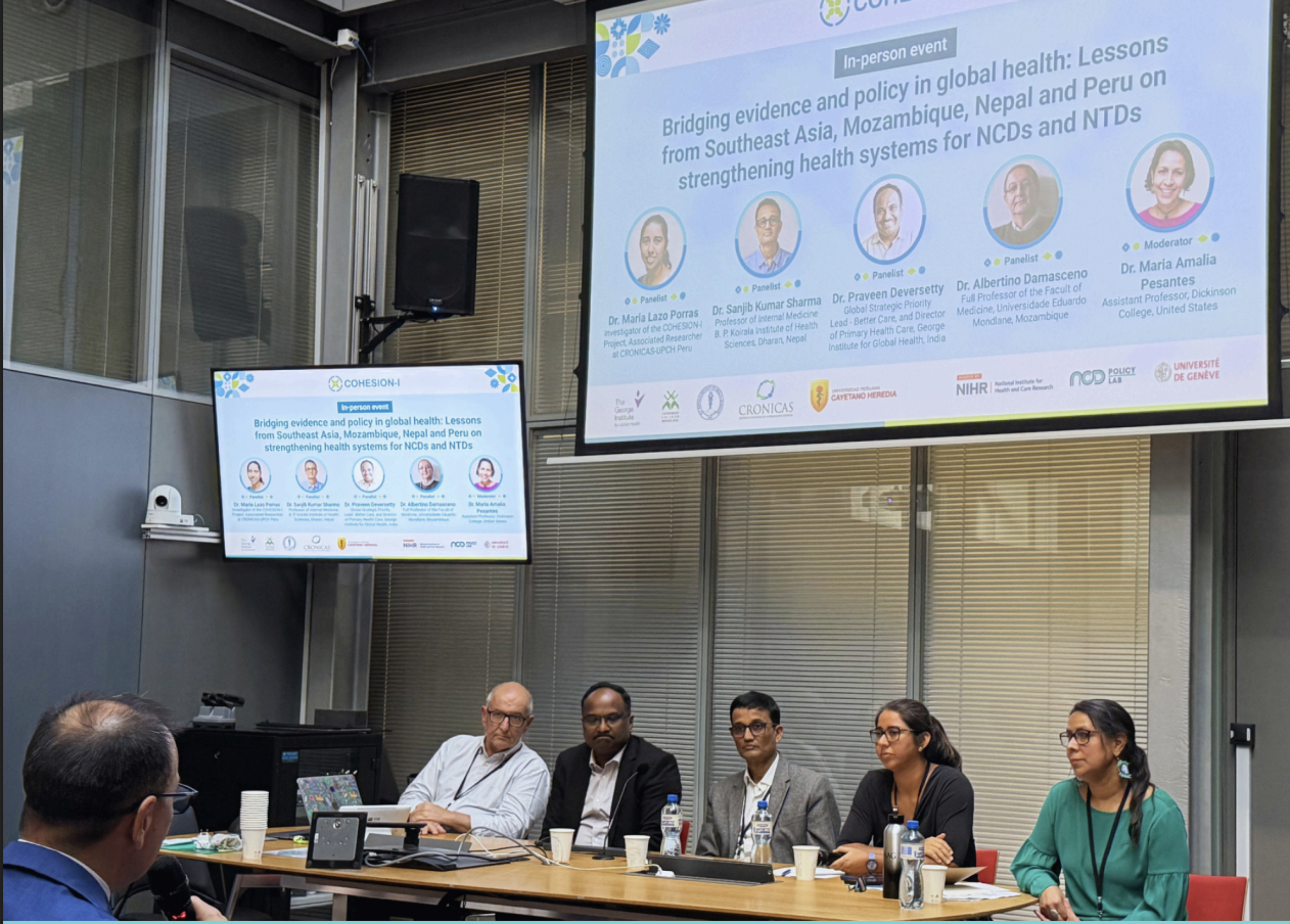
On 11 June 2026, the NCD Policy Lab and the COHESION-I Project convened researchers, practitioners and global health experts at Campus Biotech in Geneva to examine how research can more effectively inform health policy and practice. Drawing on experiences from Peru, Nepal, Mozambique and Southeast Asia, the event focused on strengthening health-system responses to noncommunicable diseases (NCDs) and neglected tropical diseases (NTDs).
The discussions highlighted a central challenge in global health: producing evidence does not automatically lead to changes in policies, services or health outcomes. Translating research into action requires sustained collaboration between researchers, policymakers, healthcare professionals, implementers and communities, as well as a strong understanding of local health-system realities.
Speakers shared practical lessons from multi-country and country-level initiatives. Dr María Lazo Porras reflected on the development and implementation of the COHESION-I Project across several settings. Dr Sanjib Kumar Sharma presented approaches to addressing NCDs and NTDs through health-system innovation in Nepal, while Dr Praveen Devarsetty discussed the transition from pilot intervention to large-scale implementation through a community-based cardiovascular disease prevention programme in Indonesia. Dr Albertino Damasceno examined the evolution of the chronic disease agenda in Mozambique and the long-term engagement required to influence national priorities and policy.
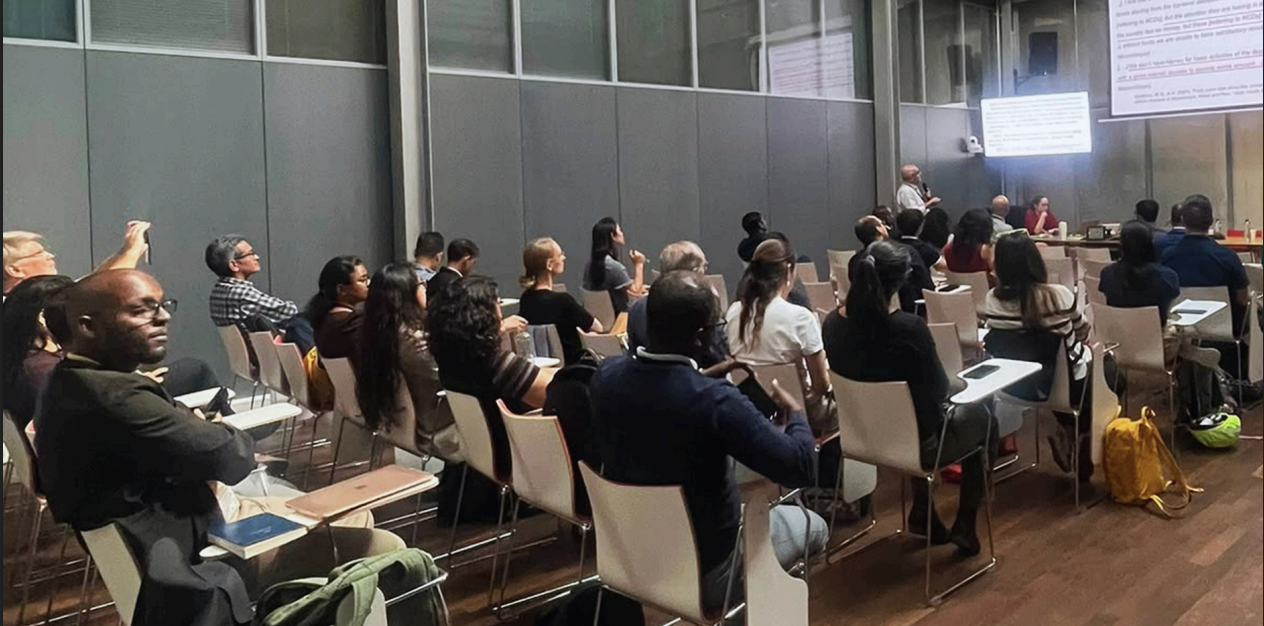
The presentations were followed by a panel discussion and exchange with participants. The conversation explored common challenges across contexts, including adapting interventions to local needs, integrating them into primary healthcare, involving communities and decision-makers, and sustaining programmes beyond initial research and funding cycles. The event demonstrated the value of implementation research and cross-country learning in understanding not only whether an intervention works, but also how and under what conditions it can be successfully adopted and maintained. It also reinforced the importance of creating spaces where country experience, scientific evidence and policy priorities can be discussed together.
Following the session at Campus Biotech, discussions continued at the World Health Organization, connecting country-level implementation experiences with broader global policy perspectives on primary healthcare and health-system strengthening.
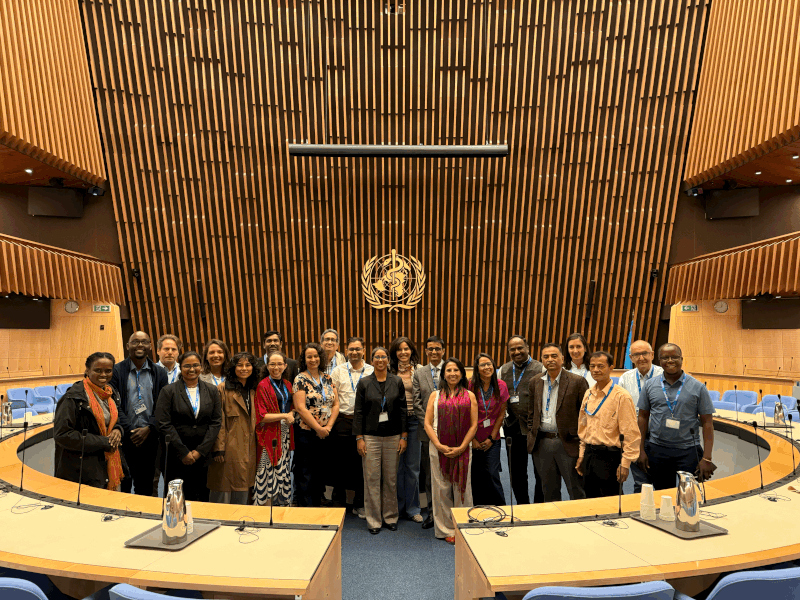
Through this event, the NCD Policy Lab contributed to strengthening dialogue between evidence producers and decision-makers and to advancing practical, equitable and context-adapted approaches to improving care for people affected by NCDs and NTDs.
- Date: Jun 11, 2026
- Partners: CRONICAS, National Institute for Health and Care Research, Universidad Peruana Cayetano Heredia, B.P. Koirala Health, Universidade Eduardo Mondlane