Policy Briefs
-
Resources
Policy Briefs
regulation and registration,
procurement and supply, and
access to diabetes technologies

Advancing Access: Global priorities to improve access to NCD medicines, diagnostics and medical devices
Authors: NCD Policy Lab, University of Geneva, NCD Alliance
Jul 29, 2026

Access to insulin no longer just an issue for low-and middle-income countries: Should Switzerland be worried?
Feb 18, 2026

A study of depression in patients with type 2 diabetes at the primary health care level in Kyrgyzstan
Author: Health Policy Analysis
Dec 1, 2025
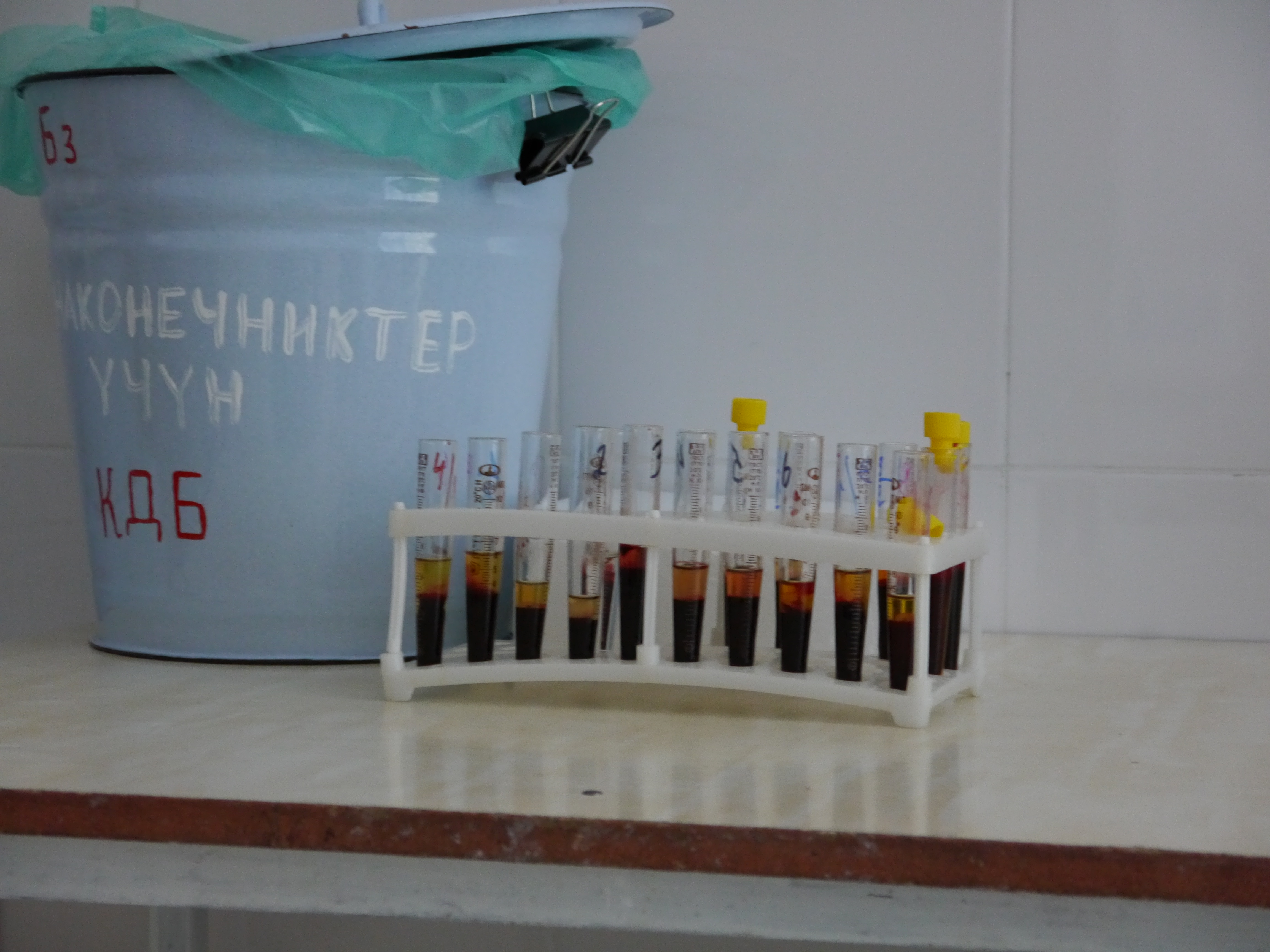
Knowledge, Attitudes and Practices toward Diabetic Kidney Disease among Type 2 Diabetes patients in Southern Kyrgyzstan
Author: Health Policy Analysis
Nov 1, 2025

Diabetes self-management and Social media: Experiences of children and young people in Kyrgyzstan
Author: Health Policy Analysis
Jul 31, 2025

Results of the Multisectoral Roundtable for Access to Medicines and Supplies for Diabetes
What happens when key actors across the health system come together to tackle one of the most pressing challenges in diabetes care?
Early 2025, CRONICAS convened a full-day multisectoral roundtable bringing together 25 representatives from 15 institutions, including the Ministry of Health, regional health authorities, integrated health networks, civil society, academia, and international partners.
The objective was clear: to identify systemic barriers to access and co-develop practical, sustainable solutions to improve access to medicines and health technologies for diabetes in Peru
Building on high-level presentations on regulatory frameworks and supply systems, participants engaged in structured discussions across three thematic areas:
Using a deliberative dialogue methodology, stakeholders jointly analysed root causes and mapped actionable pathways forward.
The discussions highlighted critical challenges, including limited trust in biosimilar insulins, inefficiencies in procurement and supply chains leading to stock-outs and overstocking, and inequitable access to essential diabetes technologies such as glucometers and test strips. These systemic issues were linked to fragmented information systems, regulatory gaps, and insufficient coordination across levels of the health system.
Importantly, the roundtable went beyond problem identification. Participants developed problem trees, solution pathways, and concrete recommendations, ranging from strengthening regulatory alignment and pharmacovigilance, to modernizing procurement systems and ensuring sustainable financing for diabetes care. The overarching conclusion was that improving access requires coordinated, system-wide reforms rather than isolated interventions.
This policy brief provides a concise synthesis of these discussions, offering evidence-informed insights and actionable recommendations for policymakers, practitioners, and partners working to strengthen diabetes care systems
Organiser: CRONICAS
May 31, 2025

Biosimilar insulin and insulin prices: What does this mean for Kyrgyzstan
Author: Health Policy Analysis
Mar 1, 2025

PHC services for diabetes in the Kyrgyz Republic: coverage with the State Guaranteed Benefits Package (SGBP)
Author: Health Policy Analysis
Jan 1, 2025
Access to essential medicines, diagnostics and medical devices for NCDs: PRIORITIES FOR THE 4TH UN HIGH LEVEL MEETING ON NCDs
Authors: NCD Policy Lab, University of Geneva, NCD Alliance
Dec 1, 2024

Evaluation of knowledge about diabetes among different population groups in the Kyrgyz Republic
Author: Health Policy Analysis
Dec 1, 2024
Leveraging Health Accounts Tool to Improve Health Spending for NonCommunicable Diseases
Author: Health Policy Analysis
Nov 1, 2024